

 My Dashboard
 My Events
 View Profile
 Settings
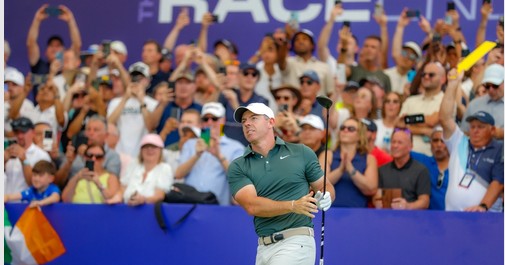
Discover the psychology behind sports fandom and how brands use the same emotional triggers to build loyal, lasting customer communities.
This article is part of our MasterClass series , (members of UAE Sporting Club benefits include a MasterClass Series with business mentors offering insights to all aspects of business strategy and tips for success.
By Denise C McGinty, CEO of UAE Sporting Club
Why We Love Sports: The Psychology Behind Fandom and What It Teaches BusinessA grown man cries when his team loses a championship. A stranger hugs another stranger at a bar because their city's team just scored. None of this makes logical sense. And yet it happens every single week, in every corner of the world.
Sports don't just entertain us. They tap into something older than marketing, older than branding, maybe even older than language itself: our need to belong to something bigger than ourselves.
This article looks at why that connection runs so deep, and why some of the smartest brands in the world have quietly borrowed the same psychological playbook that turns casual viewers into lifelong fans.
The Deep Human Need Sports Fulfil
People don't just watch sports. They live through them. To understand why, you have to look past the scoreboard.
Belonging and Tribe
For most of human history, survival depended on being part of a group. Being cast out of the tribe wasn't an inconvenience. It was often a death sentence.
That instinct hasn't gone anywhere. We just express it differently now.
Wearing a jersey, chanting with thousands of strangers, arguing about a referee's call online: these are modern versions of an ancient behaviour. Sports give people an easy, low-risk way to say "I belong here" and mean it.
Identity and Self-Expression
Ask a die-hard fan why they support a particular team, and you'll rarely get a purely rational answer. It's usually tied to family, hometown, or a memory from childhood.
Over time, the team becomes part of how a person sees themselves. "I'm a Lakers fan" isn't just a preference. It's an identity marker, the same way someone might say "I'm a vegetarian" or "I'm a musician."
Shared Emotion and Catharsis
Sports let people feel intense emotion in a safe, socially acceptable setting. You can scream, cry, or jump out of your seat at a game in ways you'd never do at work or even at home.
Psychologists call this catharsis: a release of pent-up feeling through a shared, structured experience. A stadium full of 50,000 people going through the same emotional swing at the same moment is rare. Sports create that moment on a weekly basis.
The Science Behind Sports Fandom
This isn't just a theory. Researchers have measured what happens in the brain and body during sports fandom, and the results explain a lot.
Oxytocin rises when fans bond over a shared win, strengthening feelings of trust and closeness with other supporters.
Dopamine spikes during moments of uncertainty and payoff, like a last-second goal, which is part of why close games feel so addictive to watch.
Cortisol, the stress hormone, increases during high-stakes matches, which is why fans often say watching their team is "exhausting."
Testosterone levels in male fans have been shown to rise after a win and drop after a loss, almost mirroring what happens to the players themselves.
In short, the body treats fandom as a real, lived experience, not a passive one. That's a big reason the connection feels so personal.
What Businesses Can Learn From Sports Fandom
Once you understand what sports actually deliver, emotionally and psychologically, it becomes clear why so many successful brands borrow from the same playbook. Loyalty isn't built through discounts alone. It's built the same way a fanbase is built.
Building Community Like a Fanbase
Sports teams don't sell a product. They build a community around a shared cause, and the product (the game itself) is almost secondary to the experience of being part of the group.
Brands that succeed long term do the same thing. They stop trying to sell features and start giving customers a reason to feel like they're part of something.
Peloton is a good example. People aren't just buying exercise equipment. They're joining leaderboards, following instructors, and competing with a community that keeps them coming back.
Creating Rituals and Traditions
Game day has rituals: the tailgate, the same seat every season, the pregame playlist. These small, repeated behaviours deepen attachment over time.
Businesses can create similar rituals. Think of the unboxing experience Apple built, or the way Starbucks turned ordering a coffee into a small personal ritual with names on cups and a specific vocabulary ("venti," "grande").
Storytelling and Rivalry
Every great sports rivalry has a story: Ali versus Frazier, Federer versus Nadal, one city against another. Rivalry gives fans something to root for and against, which sharpens loyalty on both sides.
Brands that position themselves clearly, sometimes even against a competitor, tend to build stronger tribes. Apple's early "Mac versus PC" campaigns worked for exactly this reason. It gave people a side to choose.
Loyalty Programs Modelled on Fan Loyalty
Season ticket holders aren't just customers. They get priority access, exclusive merchandise, and recognition for their years of support.
Smart loyalty programs mirror this structure: tiered rewards, early access, and public recognition (leaderboards, badges, member status) that make customers feel seen, not just rewarded.
Real-World Examples of Sports Psychology in Business
Brand
Sports Principle Used
Result
Nike
Storytelling and identity
Customers buy the mission, not just the shoe
Peloton
Community and shared competition
High retention through social accountability
Harley-Davidson
Tribal belonging (H.O.G. club)
One of the strongest brand communities in the world
Starbucks
Ritual and personalization
Repeat visits tied to habit, not just product
Red Bull
Rivalry and spectacle
Built a media brand around extreme sports culture
Each of these companies figured out the same thing sports have known for over a century: people don't stay loyal to a product. They stay loyal to a feeling.
How to Apply This to Your Brand
Identify the shared cause. What does your customer base believe in, beyond your product?
Create simple rituals. Small repeated actions build habit and attachment faster than big campaigns.
Give customers a role, not just a purchase. Members, insiders, and ambassadors feel differently than "buyers."
Use storytelling over specifications. People remember stories. They forget spec sheets.
Reward loyalty publicly. Recognition matters as much as the reward itself.
None of this requires a massive budget. It requires understanding what people actually want from a brand relationship, which is usually the same thing they want from a favourite team: to belong, to feel something real, and to be part of a story bigger than themselves.
FAQ
Why do people get so emotionally attached to sports teams?
Sports fandom taps into deep-rooted needs for belonging, identity, and shared emotional experience. Supporting a team offers a sense of community and purpose that's hard to find elsewhere in daily life.
Can sports psychology really apply to business and marketing?
Yes. Brands like Nike, Peloton, and Harley-Davidson have built loyal followings using the same principles that drive sports fandom: community, ritual, storytelling, and shared identity.
What makes sports fandom different from just enjoying entertainment?
Entertainment is passive. Fandom is active and personal. Fans feel like participants in the outcome, which triggers real emotional and physiological responses, not just enjoyment.
How can a small business use these psychological principles without a big budget?
Focus on community building and consistency rather than spend. A simple ritual, a clear brand identity, and genuine recognition of loyal customers can create the same emotional pull as a sports fanbase, at almost no cost.
Is tribalism in branding a good or bad thing?
Used honestly, it builds strong, lasting loyalty. It becomes problematic only when a brand manufactures division without substance behind it. The goal should be genuine community, not artificial conflict.
Call to Action
Want your brand to build the kind of loyalty sports teams get for free? Start by treating your customers like fans, not transactions and join the UAE sporting club for better connections , business building, and friendships with a shared love of sports.
The Author :
Denise C McGinty is a business leader based in Dubai. She is the CEO of UAE Sporting Club, Dubai Family Office, Acoup Employment Services, and the Halaex.com portal.
Earlier in her career, she built an outsourcing manpower agency from the ground up and later exited it successfully, with more than 9,000 people on the payroll at its peak. Running a workforce at that scale taught her how trust, belonging, and shared purpose hold organizations together.
She brings that
experience to her writing on sport, leadership, and brand community, with a
focus on practical lessons business owners can use. www.linkedin.com/in/
